Accident replacement cars when you’re not at fault

How Carbiz works
Independent from insurers, always on your side
If you or the at-fault driver are with another insurer, don’t worry! We can still help.
Trusted by thousands of not-at-fault drivers each month


Our fleet
Electric

Prestige
Frequently Asked Questions
- You were not at fault in the accident
- Two or more vehicles were involved in the accident
- The at-fault driver was insured at the time of the accident
- You have a need for a replacement car and you do not have access to other suitable cars
Check out our blog for more tips you can trust
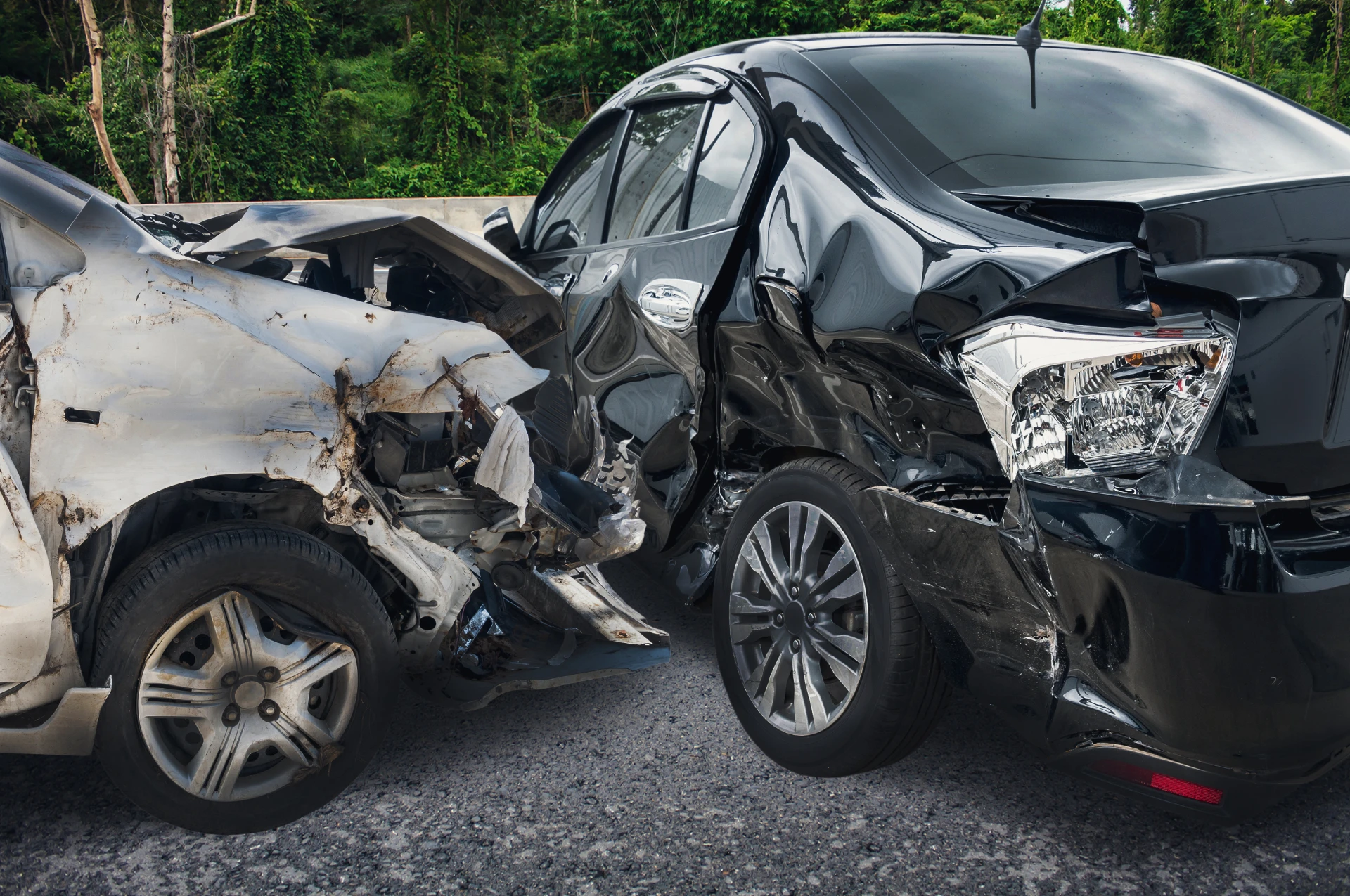
What It Means When Your Car Is Declared A Write-Off After An Accident
Updated 6 October 2026.
When an insurer declares a car a write-off, it has assessed the vehicle as a total loss under the policy. The damage may make repairs unsafe, or the cost of repairing the car may make a repair uneconomical. A write-off does not always mean the car is visibly destroyed.
How is a write-off decision made?
The assessment can take account of the vehicle's value, repair costs, salvage value and the policy terms. There is no single repair-cost percentage that determines every write-off across Australia. Ask the insurer for its assessment and the basis for its decision.
A total-loss insurance decision and a vehicle's written-off registration category are related but different matters. Whether a car can return to the road depends on the damage classification and the rules of the relevant state or territory.
Statutory and repairable write-offs
- Statutory write-off: the vehicle meets specified damage criteria and cannot be re-registered for road use.
- Repairable write-off: repairs may be technically possible, but the vehicle has been assessed as uneconomical to repair. This label does not itself authorise repairs or guarantee re-registration.
Requirements vary across Australia. In NSW, an eligible written-off light vehicle needs an Authorisation to Repair from Transport for NSW before work begins. Only limited applications are considered, and vehicles with statutory write-off damage are excluded. Approval, compliant repairs and the required inspections are separate steps.
What happens to your insurance payout?
The settlement depends on your cover and circumstances. It may be based on an agreed value, a market value or a replacement-vehicle benefit if your policy provides one. An excess, outstanding premium or finance arrangements may affect the amount you receive. Ask for a written breakdown before accepting the settlement.
Keep the assessment, photographs, policy documents and correspondence together. If you disagree with the valuation, provide relevant evidence and use the insurer's complaints process. See AAMI's explanation of total-loss claims for an insurer's example; your own policy determines your cover.
Getting around after a not-at-fault accident
If you need a replacement vehicle, tell Carbiz that your car has been declared a write-off. Eligibility, vehicle availability, the hire period and the terms of the agreement need to be confirmed for your circumstances. A write-off does not automatically entitle everyone to unlimited hire.
Contact Carbiz to discuss your accident replacement vehicle options. For a practical checklist, read what to do after receiving a write-off decision.
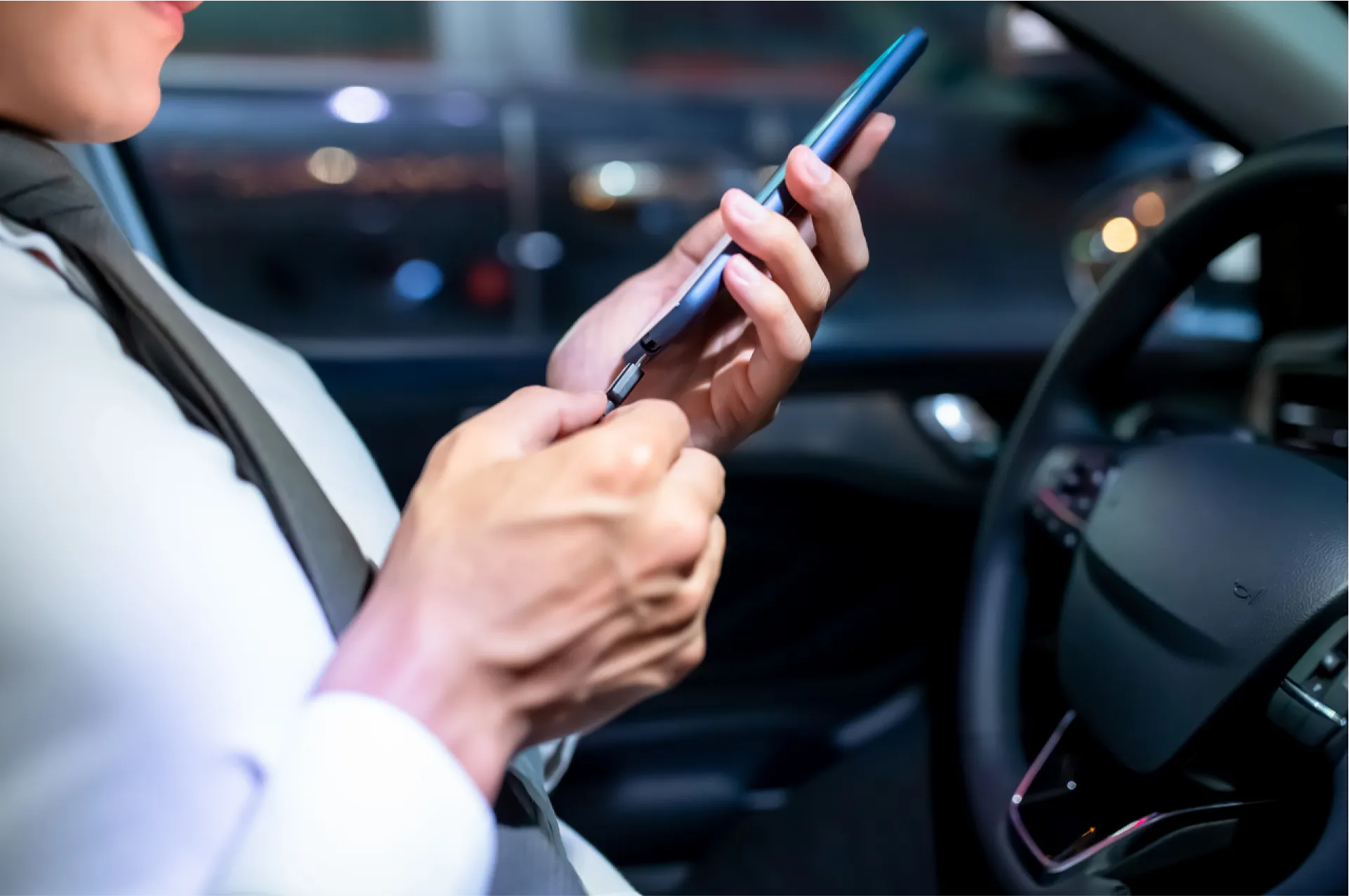
Can L and P-platers use Apple CarPlay and Android Auto?
Updated 6 October 2026.
Whether an L- or P-plater can use Apple CarPlay or Android Auto depends on their licence, age, location and the function being used. Connecting a phone to the car does not remove mobile-phone restrictions. Navigation, music, calls, voice commands and touching a screen can be treated differently.
The summaries below cover ordinary car driving. Check the official guidance for your licence before setting off, particularly when crossing a state border. A red light or traffic queue is not an opportunity to use a phone: pull over and park safely where required.
New South Wales
NSW learner, P1 and P2 drivers cannot use a mobile phone while driving, including hands-free use, navigation and music. This includes phone functions through Apple CarPlay or Android Auto. Setting up the phone before departure does not make those functions permitted during the drive.
Check the NSW rules for mobiles, screens and GPS, including the limited exceptions for particular transactions and presenting a digital licence. For current penalties, see Transport for NSW's mobile-phone guidance. Double demerits apply during designated periods; a school-zone location does not itself make the demerit penalty double.
Victoria
Victoria distinguishes portable phones, mounted devices and in-built vehicle systems. Learner, P1 and P2 drivers can use a properly mounted device for navigation or audio if it is set up before the journey. They cannot touch that mounted device during the drive or use voice controls.
Brief touches of an in-built vehicle system are permitted for specified navigation, audio and climate functions. Scrolling, entering information, calls and other prohibited activities are not made lawful by using CarPlay or Android Auto. Follow the Victorian device rules for new drivers for the exact device and activity.
Queensland
Learner and P1 drivers under 25 face additional restrictions on hands-free phone use, wireless headsets and a phone's loudspeaker. Do not assume a CarPlay or Android Auto connection gives these drivers permission to use phone functions. P2 drivers and drivers outside those additional restrictions still need to comply with Queensland's general mobile-phone rules.
Use the Queensland Government's mobile-phone guidance and its linked licence conditions to check what applies to your age and licence. Passenger loudspeaker restrictions also apply when accompanying affected learner and P1 drivers.
South Australia
Learner and P1 drivers must not use any mobile-phone function while driving, including hands-free operation. A dashboard connection does not remove this restriction. P2 drivers remain subject to the general road rules on phone use and distraction.
Check the official South Australian licence conditions and mobile-phone rules before using a connected phone.
Western Australia
WA's general phone rules allow limited hands-free calling and navigation subject to specific conditions. A phone used for navigation must be secured in a mounting and must not be held or touched. Do not treat CarPlay or Android Auto as permission to text, browse or interact freely with a phone.
Consult the WA Road Safety Commission's rules and check any conditions on your licence. Set the route before departure and park safely before making changes.
Tasmania
Tasmanian learners and P1 drivers are banned from mobile-phone use, including hands-free calls, with an exception for music and GPS set up before driving. The driver must not interact with the phone while driving. This exception is limited to those functions, not general permission to operate a connected phone.
Read the official Plates Plus mobile-phone guidance. P2 drivers must still follow the general mobile-phone rules.
Australian Capital Territory
ACT learner and provisional drivers cannot make or receive calls or interact with a mobile device while driving. There are specific exceptions for pre-set audio and GPS. For GPS, the phone must be mounted or connected by Bluetooth or a cable. No interaction is allowed while driving, including voice commands or touches on a CarPlay or Android Auto screen.
Set everything before you leave and park safely if changes are needed. See the ACT Government's mobile-device rules.
Northern Territory
NT learner and provisional licence holders must not use a mobile phone in any form while driving, including hands-free and loudspeaker functions. Connecting the phone to the car does not provide an exemption.
Check the mobile-phone section of the NT learner driver resources and the NT Road Users' Handbook.
Before driving an unfamiliar or replacement car
Check your licence conditions and the rules where you will drive. Learn the car's controls while parked and disconnect your phone if its functions are prohibited for you. Built-in navigation and phone-projected navigation are not necessarily treated the same way.
Fines, demerit points and licence consequences can change. Use the official links above for current penalties. If you need an accident replacement vehicle, contact Carbiz so the team can check your licence, eligibility and vehicle options.
Apply online now
